Ford Wheel Nuts and Bolts | Fitment, Safety & Buying Guide

Introduction

Ford vehicles use a variety of wheel nuts depending on the model, year and wheel type fitted. Choosing the correct Ford wheel fixings is essential for safety, correct wheel fitment and MOT compliance.

This guide explains standard Ford wheel nut specifications, when replacement is recommended, and how to find the correct fixings for your vehicle, including when aftermarket alloy wheels are fitted.

Ford is one of the UK’s most popular vehicle manufacturers, with a wide range of passenger cars and commercial vehicles using different wheel fixing designs across models and generations.

Popular products

Sale!
Price range: £3.49 through £24.99

Ford Wheel Nut Fitment

Ford passenger vehicles use wheel studs with separate wheel nuts, while exact specifications vary, common Ford wheel fixing characteristics include:

  • Thread size: M12 × 1.5

  • Seat type: Tapered (60° cone seat)

  • Spanner size / HEX: Typically 19mm or 21mm

  • Fixing type: Wheel nuts on studs

These are general guidelines only. Fitment can vary depending on:

  • Vehicle model and year

  • Factory vs aftermarket wheels

  • Stud length and nut design

Always confirm compatibility before purchasing replacement wheel nuts or bolts.

Search For Your Ford

The simplest way to find wheel nuts to fit your Ford is to type the model into our search.

Why Ford Wheel Nuts Need Replacing

Wheel nuts are safety critical components and should be replaced if they show signs of wear or damage. Common reasons for replacement include:

  • Corrosion or swelling

  • Rounded or damaged edges

  • Stripped or stretched threads

  • Difficulty tightening or loosening

  • Changing to aftermarket alloy wheels

MOT & Safety Considerations

Loose, damaged or incorrect wheel nuts or bolts can result in an MOT failure. Examiners check that wheels are securely fastened and that fixings are appropriate for the wheel type.

Replacing worn fixings helps ensure:

  • Correct clamping force

  • Safe handling and braking

  • Reduced risk of vibration or wheel movement

Aftermarket Alloy Wheels and Ford Fitment

If your Ford has aftermarket alloy wheels fitted, it is very common for different wheel nuts to be required.

Aftermarket wheels may need:

  • A different seat type

  • Longer or shorter fixings

  • Slim or tuner-style wheel nuts for recessed holes

Using standard Ford wheel nuts with aftermarket alloys can lead to poor seating and potential safety issues. Always check compatibility before installation.

Popular Ford Wheel Nuts and Bolts

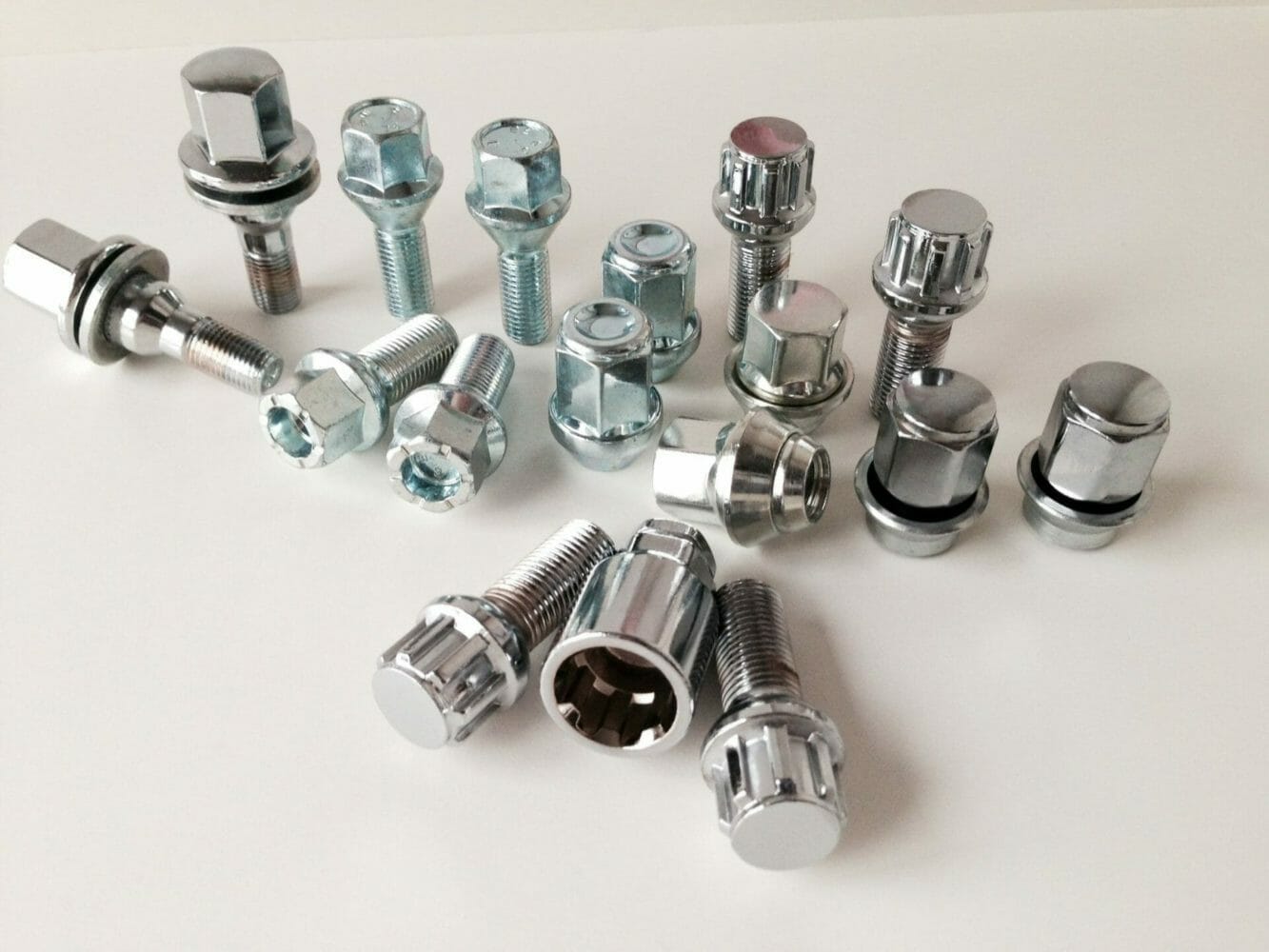
Some of the most commonly purchased wheel fixings for Ford vehicles include:

  • Ford Fiesta alloy wheel nuts

  • Ford Focus wheel nuts

  • Ford locking wheel nuts

  • Ford Transit wheel nuts

View all Ford wheel nuts to find fixings suitable for your vehicle and wheel setup.

Frequently Asked Questions About Ford Wheel Nuts and Bolts

No. Ford uses different wheel fixings depending on the model, year and wheel type. However, most passanger car models use M12 x 1.5, taper seat, 19mm HEX nuts. Always confirm the correct fitment for your vehicle.

Yes. Damaged, loose or incorrect wheel fixings can result in an MOT failure due to safety concerns.

Most Ford vehicles require torque settings between 110–140 Nm, but you should always check manufacturer specifications for your exact model.

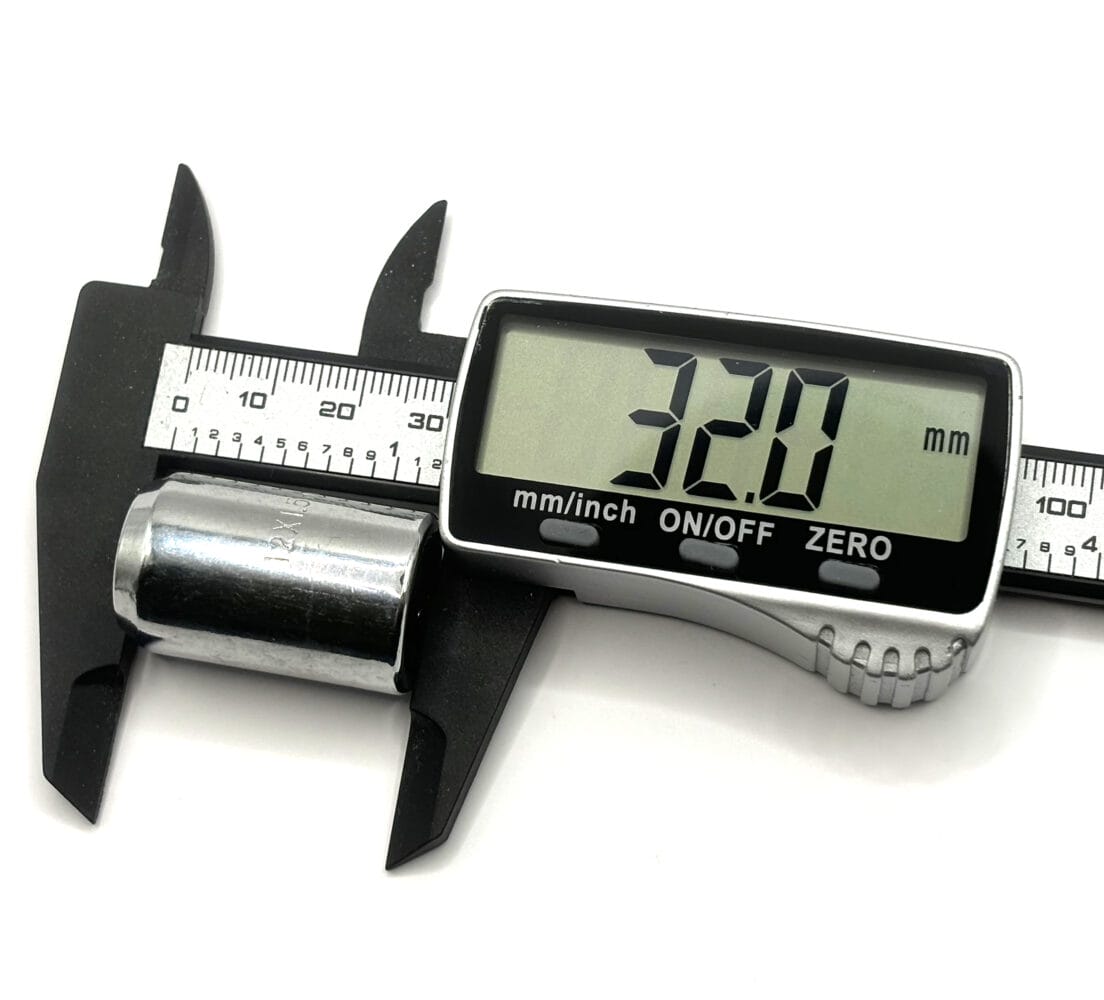
Often yes. Aftermarket alloy wheels may require different seat types or lengths to ensure safe and secure installation. Often narrower nuts are needed, standard Ford wheel nuts are 28mm diameter where most aftermarket alloy wheels have between 20-23mm wide nut holes.

Signs include corrosion, swelling, rounded edges, difficulty tightening or visible thread damage.

Back to manufacturer guides